to
6-9 yaş
Location: Dojo
The Karate School is Başarı Spor Akademisi’s karate programme for children aged five and over and for adults aged sixteen and over. Classes run at the Yakacık Spor Kulübü hall in Kartal on Tuesdays and Saturdays, 18:00–19:00, and follow a graded, belt-based curriculum. Within that hour the children’s group, the adult and competition group, and self-defence work are separated by level.
Karate is one of the most commonly misunderstood disciplines among parents. The expectation is usually “so they can defend themselves”, but what children gain most from karate is not attacking or defensive technique — it is self-control. Dojo etiquette, bowing, waiting your turn and stopping instantly on command are not carriers of technique; they are its precondition.
The curriculum advances through the belt system, which is a powerful motivator for a child: the goal is near and concrete rather than distant and abstract. Every grading assesses discipline and attitude as much as technique, which is why passing comes from consistency rather than effort in bursts.
Contact is graded. Younger groups work through kata (forms) and technical repetition; controlled kumite (sparring) begins only when a child can manage technique and distance safely. Protective equipment is mandatory at that stage, and no child is ever put into a pairing they are not ready for.
Karate teaches a child to stop before it teaches them to strike. Classes are held at the Yakacık Spor Kulübü hall in Kartal and taught by Kartal Karate Akademisi’s Sensei Behzad Yaghoubian, an international referee and coach, and Sensei Homa Yaghoubian, an international champion: for children aged 5–12 and adults aged 16 and over.
The first thing learned in the dojo is not how to strike but how to stop on the command. Bowing, waiting your turn and following the rules come before technique, and a child who learns control behaves with more control outside the dojo too.
Progress is individual and measurable: a child competes only with their own next belt. It is one of the best disciplines for a shy child who dreads falling behind in a team sport.
Distance management, blocking and evasion are part of the curriculum. The aim is not to fight; it is to notice danger early, know how to walk away, and protect yourself when you have to.
Contact is graded: kata and technical repetition for the youngest, controlled kumite only once a child is ready, always with protective equipment. The belt system keeps the next goal close and concrete.
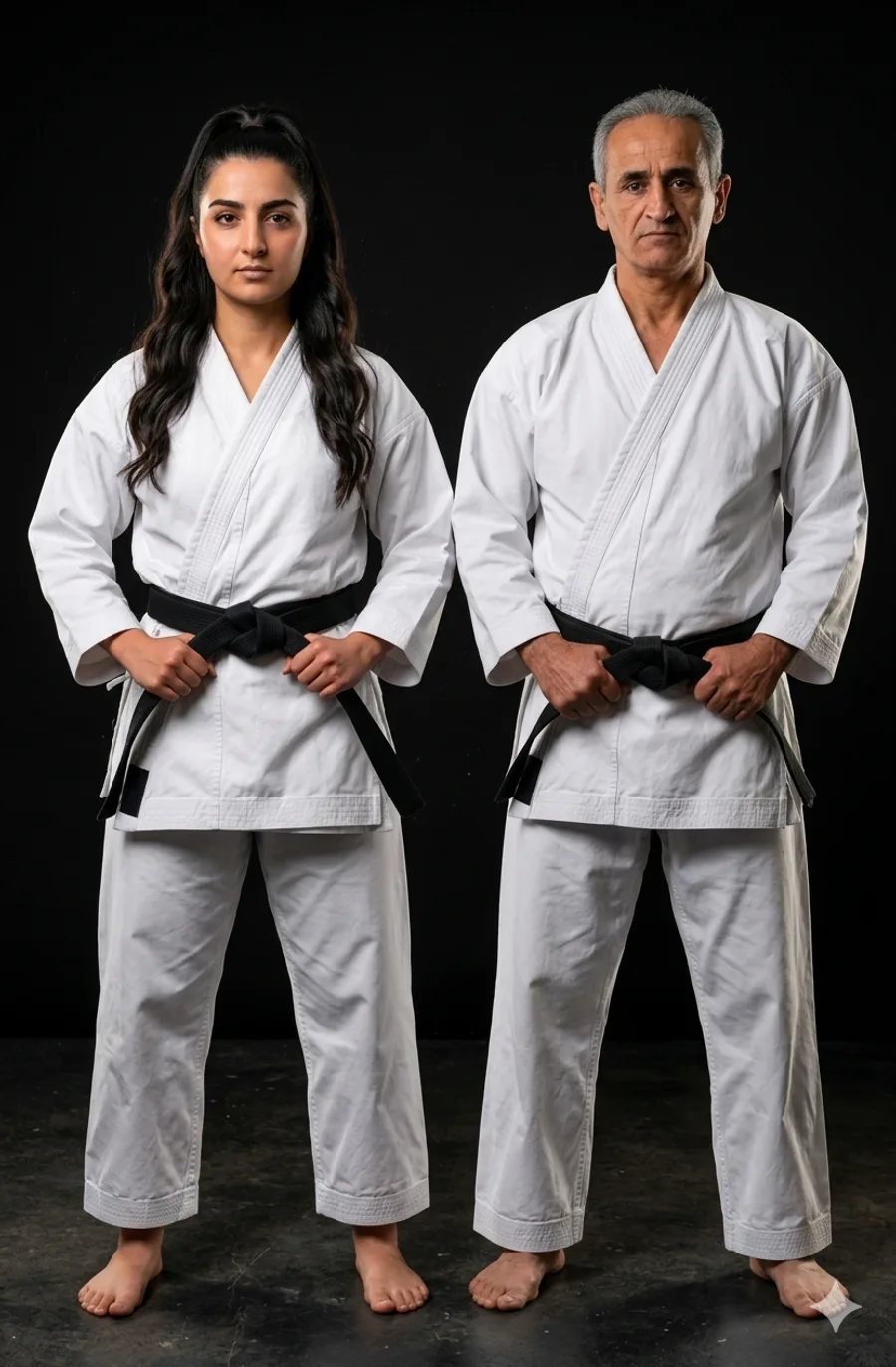
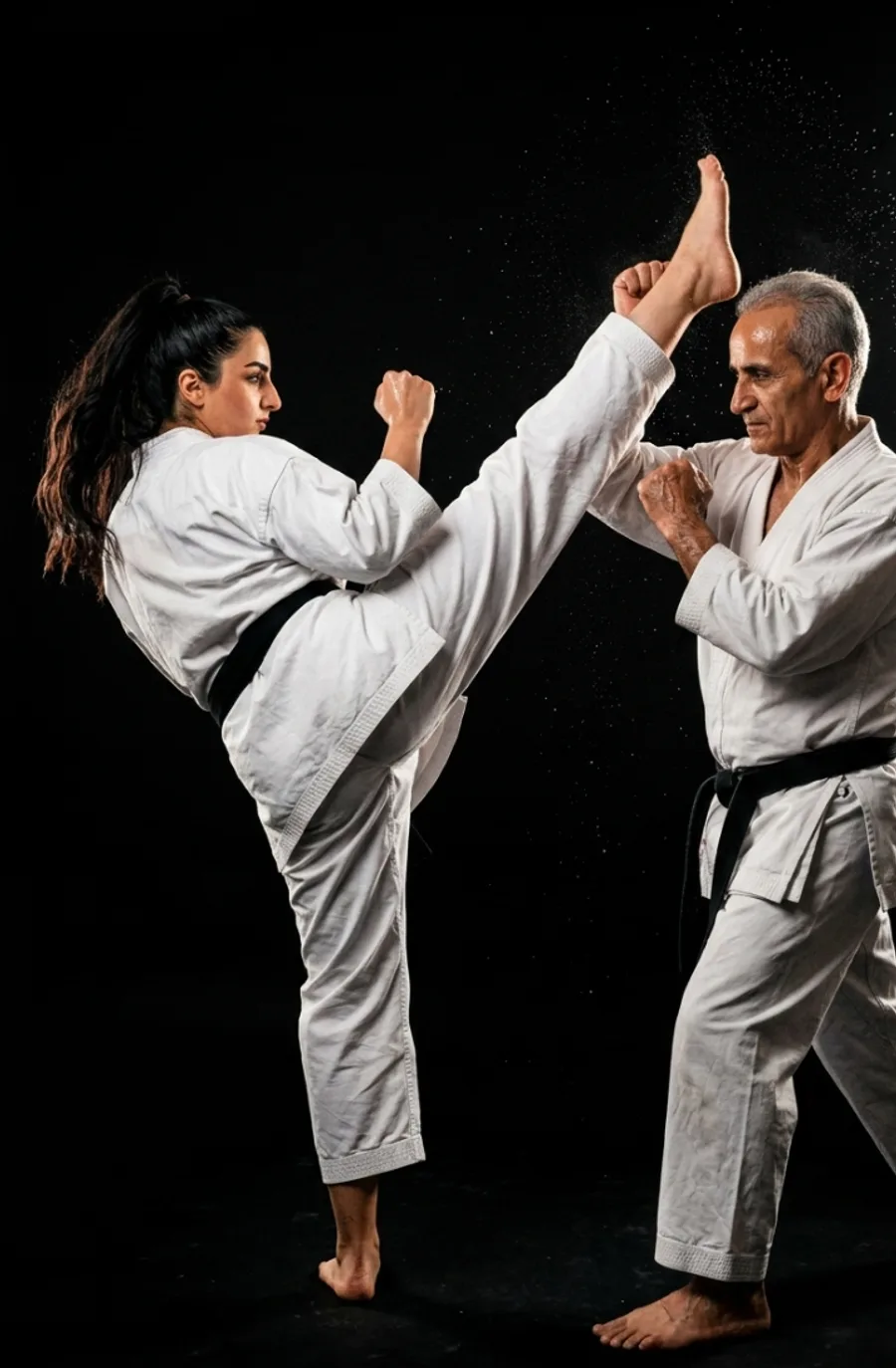
Kihon (fundamentals), kata (forms) and controlled kumite (sparring) in balance.
to
6-9 yaş
Location: Dojo
to
6-9 yaş
Location: Dojo
to
10-14 yaş
Location: Dojo
Kata ve kumite
to
Kuşak Sınavı Grubu
Location: Dojo
Karate classes are run together with Kartal Karate Akademisi, which operates from the same hall. They are taught by Sensei Behzad Yaghoubian, an international referee and coach, and Sensei Homa Yaghoubian, an international champion. For belt gradings, competition and the tournament squad, you can reach them directly: Kartal Karate Akademisi
Yakacık Sports Club


Karate
Karate teaches a child to stop before it teaches them to strike. How discipline, confidence and self-defence are built in class, and who teaches them in Kartal.
5 min read
Karate
A child starting karate learns stance, distance and floor discipline before any kick. Here is how the first four weeks run and what to look for at home.
5 min read

Gymnastics
Gymnastics teaches a child the alphabet of movement rather than one game. The four things it builds and how each one carries into other sports.
4 min read
We do not write a programme without measuring first. After the assessment you will see, in numbers, how far from your target you actually are.